Mostrando entradas con la etiqueta blanco y negro. Mostrar todas las entradas

lunes, 28 de julio de 2014

Flamenco a pie de calle / Street Flamenco


Granada, 27 de julio de 2014, Plaza de las Pasiegas (Catedral)
Granada, 27 July 2014, Plaza de las Pasiegas (Cathedral) 

Flamenco a pie de calle lleva ya cosa de un año ofreciendo su arte allá donde pueden: normalmente, en los aledaños de la Catedral; si no les dejan o surge otra oportunidad, sirve cualquier sitio en el que haya espacio suficiente para arrancar por bulerías. No todos son españoles, ni falta que les hace para tener el duende. Bailan, taconean y cantan con una sonrisa para todo el que se sienta a verles actuar.

Ayer los encontré en una de esas salidas que hago cuando quiero perderme por la ciudad con la cámara y ver con qué vuelvo. Me habría gustado echar una moneda al sombrero, pero me pilló sin nada encima. Si veis esto, espero que las fotos al menos os gusten. Para el sombrero queda verano.

Flamenco a pie de calle (Street Flamenco) has been performing around for about a year now. Their shows take place wherever they can — they normally stay at the Cathedral square, but if they are not allowed to or manage to find any other chance, anywhere will do as long as there is place enough to burst into song, clap and dance, the Andalusian way. Some of them are Spaniards, some of them are not — not that it matters as long as you feel that certain magic of flamenco. These guys (and girls!) will dance, tap with their heels away and sing with a smile on their faces for everybody that cares to stop by and enjoy their show.

I found them yesterday, which just happened to be one of those days when I feel like grabbing my camera and wandering the streets of Granada, just to try and see what I bring back home with me. I searched my purse to find a little something to throw to the hat, only to find that I did not have any dough with me. Boo. Oh, well. If you happen to find yourselves here, I hope you like these photos. As for the hat, hopefully there is still plenty of summer left.

domingo, 27 de julio de 2014

Madrid - Granada


Madrid-Granada, ALSA, enero de 2014.
Madrid-Granada, ALSA, January 2014.

Un viaje de vuelta se corresponde siempre con la figura de un gráfico. Esta comparación es válida para todo el mundo, sin importar cuál es el punto A, cuál el punto B, las características de ambos, la distancia que media entre ellos. Un gráfico con una línea que comienza su actividad en un momento determinado, un cruce de circunstancias concreto, y después va en ascenso, sin prisa pero sin pausa. A esa evolución sigue, irremediablemente, una altura máxima, un techo intangible pero cierto: es el auge del viaje. Cabría pensar que el auge coincide con su final, pero no es así; el viaje aún continúa, solo que a partir de ahí la línea emprende un descenso que solo acabará al llegar a casa de verdad, al soltar las maletas en el suelo y tu cuerpo, baldado por el viaje, sobre el colchón de tu cama (ya no recordabas cómo era tu propia cama, ¿verdad?).

There is this ideal image to compare a return trip to — a graphic chart line. This comparison remains valid for everyone, regardless of point A and point B, the features each of them could possibly have, the distance between both of these two destinations. A graphic chart line, its activity to be understood in a certain moment, the result of quite a precise intersection of circumstances, and then bound to rise, slow but steady. Such a line is inevitably meant to be followed by a subsequent maximum, a ceiling that might seem intangible but remains positively true — the trip has reached its peak. You would think that such a word in this context would logically imply the end of the trip — and you would be wrong to believe so. The return trip still goes on, and so does our graphic chart line, if only a descending one from now on, the bottom point to be reached only when you really get home, like the actual place where you live, and your baggage hits the floor just like your tired, knackered body will slump the mattress of your own bed. Oh, and since we are talking about your bed, you did not remember what it felt like, did you?

Auge y caída del Imperio Romano. Piensa en un libro de texto que contase tu propia historia. Piensa en la cronología que incluiría cada uno de tus viajes.

Rise and Decline of The Roman Empire. Try to think of a textbook that would deal with your very own history. Try and think of the chronology that would include each of your travels.

Para cada uno, no obstante, auge y caída suceden en distintos momentos a lo largo del viaje. Hay quien experimenta esa línea ascendente mientras prepara las maletas de regreso, cuando descubre que no le caben la ropa ni los regalos después de guardar todos los recuerdos intangibles que, una vez en casa, solo conservarán sentido, color y dimensión para uno mismo. El auge llega en el momento de la despedida, o cuando el punto A pasa zumbando, la última imagen que se tiene de él, tras la ventanilla del coche. A partir de ahí, la línea ya solo desciende: en el mostrador de facturación, en la espera tras encontrar la puerta de embarque, en el avión, entre las nubes. Hay quien lo siente todo como una evolución continua hasta el momento justo de entrar por la puerta de casa, el hogar es la cúspide y el descenso solo llega a la mañana siguiente o días más tarde, cuando se produce el regreso definitivo del viajero: no solo su cuerpo ha regresado, también su corazón. 

Admittedly, though, these rise and decline will happen at a different time for each of us. There are those who will experience that rising line while packing and getting ready to go home, a stage that comes with the shocking certainty that you will not be able to pack all your clothes and presents because your luggage is already bursting at the seams with intangible memories that only you will be able to decipher once you get home, their colours, sense and measurements only there for yourself. Then there comes the peak — the time to bid your farewells, perhaps, or maybe that moment when your last visual memories of point A zoom past the window of the car taking you to the airport. From then on, our dear line is only meant to go down — at the check-in desk, waiting after finding the right gate for your flight, while in the plane, a tiny moving point inbetween the clouds. And then there are people who would say the whole trip is an endless rise, up until that moment when you enter home, 'home' meaning 'peak', the decline set to happen the morning after or a few days later, when the traveller is now definitely back home, body and heart finally reunited.

Para mí, la línea asciende hasta el mismo momento de subir al avión, y el vuelo es una fase estacionaria: ya he dejado atrás el nerviosismo de los preparativos pero mantengo un agradable nivel de alerta: lo que acabo de dejar atrás, aquello a lo que regreso, las comodidades del avión, el paisaje tras la ventanilla, la persona que viaja a mi lado, la lectura del momento en mi Kindle. 

Personally, my line goes up until the very moment I board my flight, which serves as some sort of temporary stage, a straight line. Gone are the nerves from the pack-and-peace-out phase and yet I remain pleasantly alert, focusing on a variety of things — all that I just barely left behind, all that I am coming back to, the many conforts of my flight, the landscape at the other side of my window, my travelling companion, the current read in my Kindle. 

Mi fase de descenso comienza siempre en Méndez Álvaro y se extiende a lo largo de los kilómetros entre Madrid y Granada. España solo me alcanza cuando subo las escaleras mecánicas y me encuentro en la estación de autobuses, con sus colas en las taquillas, sus pantallas informando de llegadas y salidas que ahora solo son nacionales, la gente derrengada en los asientos metálicos, las máquinas expendedoras, la selección de sándwiches de Rodilla, la cafetería y el quiosco de prensa, la escalera mecánica hacia las dársenas, con sus anuncios de ofertas de viajes con eslóganes tentadores y melosos y los carteles que te recuerdan que has de ser precavido contra los posibles robos y extravíos. Soy consciente por fin de estar en mi propio país cuando busco la postura menos incómoda en el asiento del autobús y, con la cabeza apoyada en el grueso cristal de la ventanilla, reconozco el paisaje y distingo las poblaciones, letras blancas en los carteles azules. Ahora que ya me he despedido de todo cuanto se cierra con un adiós o un esperanzado hasta luego, ahora que mi lengua materna me acoge de nuevo en su seno, solo ahora mi cuerpo acusa por fin el cansancio, solo ahora admito empezar a contar en pasado lo que yo cifro aún en presente. Era, éramos, ha sido, fue. Tiempos verbales y sus crueldades sutiles.

My own personal decline starts always at Mendez Alvaro, extending along the kilometres between Madrid and Granada. Spain only catches me up when I go up in the escalator and into the bus station which could be portrayed through its many details — the queues for the ticket windows, the screens giving information on arrivals and departures that are not international anymore, people aching all over the metallic seats, the vending machines, sandwiches at Rodilla, the cafeteria and the press kiosk, the escalator leading to the bus shelters, bus travel offers popping up here and there with tempting, cheesy eslogans. I am only aware that I am now in my home country when I try and look for the less uncomfortable position to adopt in my bus seat and, resting my head on the thick window glass, I recognise the landscape outside and the name of the towns, white letters on the blue signs. Now that I have said 'goodbye' or a hopeful 'see you later' to everything that could possibly be waved off and closed with such words, now that my mother tongue lovingly takes me in once again — only now will my body acknowledge its weariness. Only now will I finally start using the past tense for all that I still tend to refer using the present. It was, we were, it has been, it had been. Oh, verb tenses and their subtle cruelty. 

Son cinco horas de Madrid a Granada, cinco horas que se alargan y extienden sobre la carretera como aquel chicle kilométrico que todos los niños de los noventa recordamos emocionados cuando alguien lo nombra. Me llega el sueño y me entrego a él para desgracia de mi cuello, mientras pienso en esa frontera extrañamente adecuada de Despeñaperros, una línea más, a juego con el punto de inflexión que llevas siempre dentro en un viaje de regreso.

It takes about five hours to go from Madrid to Granada, five hours that seem to spin out and extend along the road, just like that kilometric bubble gum known and dear to every nineties' child, a cherished memory that everybody will excitedly recall whenever somebody mentions it. I let myself drift off despite of the neck pain that will surely follow the sleep, all the while thinking about that weirdly appropiate frontier marked by Despeñaperros, barely another line and yet seamlessly matching that turning point that you always carry within yourself in every return trip.

domingo, 18 de mayo de 2014

Greensleeves


Parque del Templo de la Tierra, Pekín, 17 de mayo de 2014.
Temple of Earth Park, Beijing, 17 May 2014.


Las nervaduras como un esqueleto vegetal, armazón del verde que está llamado a marchitarse rápido pero por ahora permanece fresco, tierno al contacto con la mano, cerca de la flor, junto a la madera.

domingo, 11 de mayo de 2014

Moonglow Burlesque


Pekín, Modernista (Baochao Hutong). 10 de mayo de 2014.
Beijing, Modernista, Baochao Hutong. 14 May 2014.

Blanca y radiante va la novia.
Oh, here comes the bride.

viernes, 18 de abril de 2014

Estaciones / Stations


Pekín, Distrito 798, marzo de 2014.
Beijing, 798 District, March 2014.

"Pero primero edifica la estación. Una estación especial para ella."

(Los años de peregrinación del chico sin color, Haruki Murakami)

Una estación especial para cada uno de nosotros, para aguardar en ella nuestro tren, para soñar en ella que salimos de viaje, que nos esperan otros lugares, otros días, otras personas. Para regocijarnos de antemano con la alegría inmensa de encontrar el destino correcto.

But you have to build that train station first. Her own, unique station. 

(Colorless Tsukuru Tazaki and His Years Of Pilgrimage, Haruki Murakami)

Our own, unique station, one for each of us out there, for us to patiently wait our train there, for us to dream there that we go on a trip, that other places, days and people are waiting for us. For us to rejoice in advance at the immense joy of finding the right fate.


domingo, 16 de febrero de 2014

La estrella invitada / Shit Happens


Granada, Albaicín, calle Panaderos, 15 de febrero de 2014.
Granada, Albaicin (Panaderos street), 15 February 2014.

Historia de una foto con estrella invitada. Puede decirse, cuanto menos, que fue una actuación espontánea.
Sometimes shit just happens, you know. As in, literally. Local dog taking a dump — check!

miércoles, 12 de febrero de 2014

Horizonte / An Horizon


Granada, Albaicín, 9 de febrero de 2014.
Granada, Albaicin, 9 February 2014.

Casas destripadas, la ciudad extendida como una manta ante tus ojos.
Gutted dwellings and the town spreaded out like a blanket before your eyes. 

martes, 11 de febrero de 2014

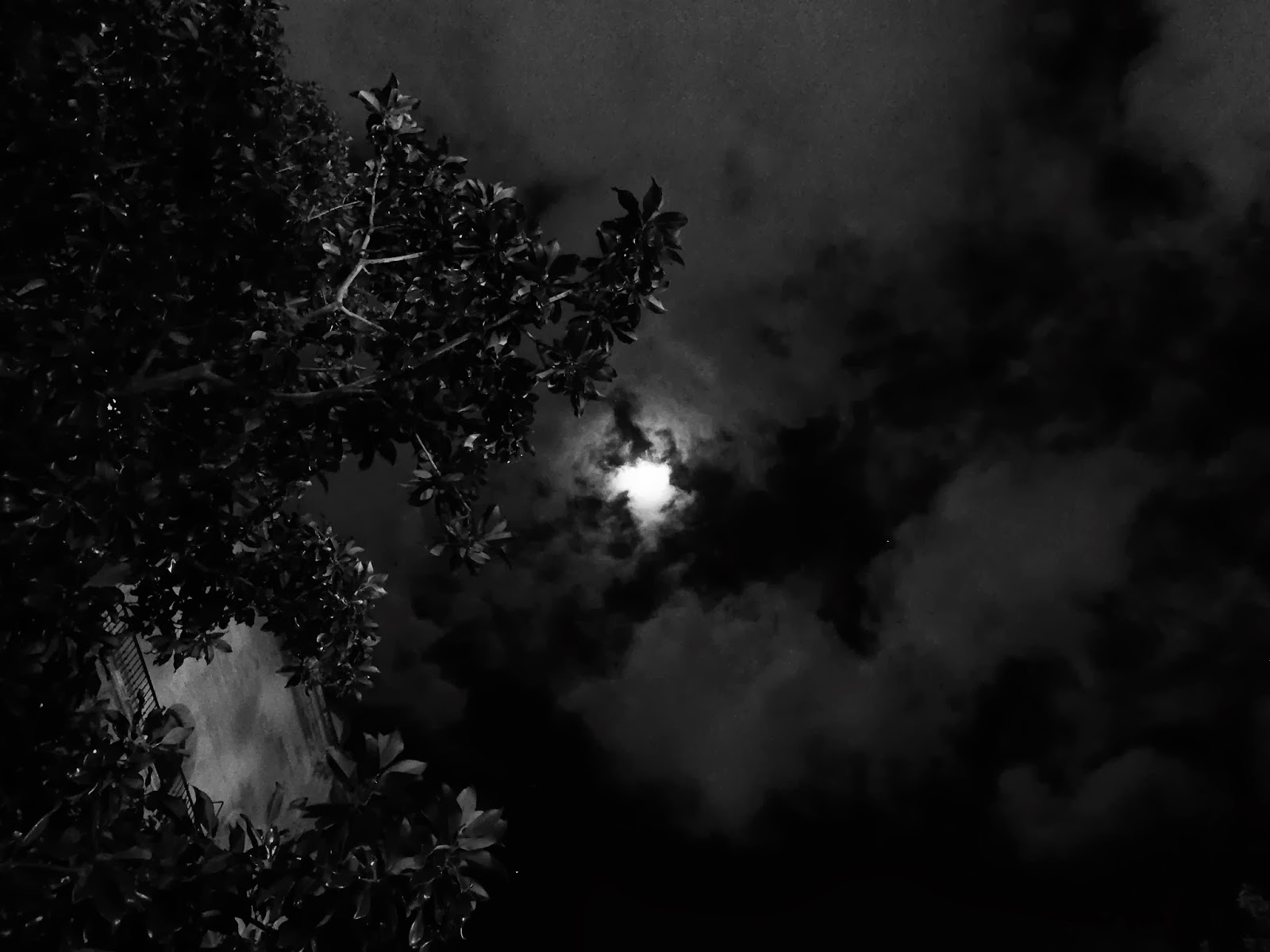
Las fases de la luna / Moon Phases


Granada, Catedral, 10 de febrero de 2014.
Granada, Cathedral. 10 February 2014.

Contrariada, bajé la cámara y traté de volver a situarme. 
¿Dónde demonios estaba la luna? ¿Por qué la fotografía de hacía apenas unos segundos ya no existía?
Miré al cielo y la luna volvió a aparecer tras las nubes de lluvia.
Miré al cielo y tuve la sensación de acceder a otra respuesta, de comprender algo más.
Después volvieron a pasar las nubes.

Feeling upset, I put down my camera and tried to find my ground again. 
Where the hell had the moon gone? Why did it seem as if that image from barely a few seconds ago did no longer exist?
I looked at the sky and the moon made its way once again through the rain clouds.
I looked at the sky and felt as if I suddenly gained a new answer, an unexpected knowledge.
And then the clouds came back.


miércoles, 22 de enero de 2014

Al volver / Coming Back


Granada, 22 de enero de 2014.
Granada, 22 January 2014.

He vuelto, viejo amigo. Veo que tú sigues donde siempre, en tu papel. 
I am back, my good old friend. Still where we first met, huh? Doing your usual thing.


sábado, 4 de enero de 2014

Recortes. Cutbacks.


España, 2 de enero de 2014.

Spain, 2 January 2014.


Parados de larga duración que salgan del país, definitivamente excluidos del sistema sanitario

(Long-term unemployed Spanish expats-to-be, deprived of the national health service)

Te desangras lentamente, España, pero te desangras.
You are bleeding a slow death, Spain.

domingo, 29 de diciembre de 2013

Palabras / Words


Xian, Museo Beilin, octubre de 2013.
Xi'an, Beilin Calligraphy Museum, october 2013.

Uno de los sitios que visitamos en Xian fue su museo de caligrafía tradicional, que era en realidad un hermoso espacio abierto, en el que la naturaleza, todavía vistiendo de verde, se mezclaba con arquitectura tradicional china. Seguimos las explicaciones de nuestro guía como buenamente pudimos, y se nos llevó, con la prisa propia de los viajes organizados, a una parte del recinto donde se ofrecían al visitante, recién hechas y para su adquisición, copias de las inscripciones en las viejas estelas y lápidas de piedra. 

En tiempos, se nos dijo, los estudiosos acudían a Beilin para estudiar, noche y día, estos libros de texto primitivos.

En la actualidad, ni siquiera muchos ciudadanos chinos conocen los preciosos y complejos caracteres tradicionales. Pero las viejas escrituras se conservan para todo aquel que aún se atreva a estudiarlas o, simplemente, admirarlas. En Beilin, los copistas utilizan reproducciones de los antiguos originales que preparan rellenando los moldes de los caracteres con tinta, tal y como dentro de las plantas fluye la savia. Después, con sumo cuidado, presionan contra estas imprentas grandes papeles de textura delicada, que absorben ese mensaje de hace siglos. Un trabajo metódico, pero delicado. Junto a las grandes planchas, las recopilaciones se venden en bonitas ediciones de portadas indescifrables.

Y así, lo que fue vuelve a ser, una y otra vez. Es el ciclo de todo cuanto vive; también de las palabras.


sábado, 21 de diciembre de 2013

Beijing Blues


Pekín, 21 de diciembre de 2013, 798.
Beijing, 21 December 2013, 798 District.

Algunos días, la metrópolis te gana el pulso por la mano.
Some days, Beijing wears you out. 

viernes, 20 de diciembre de 2013

Winter Wonderland


Pekín, 13 de diciembre de 2013. Baochao Hutong. Moonglow Burlesque actúa en Modernista.

Beijing, 13 December 2013. Baochao Hutong. The Moonglow Burlesque girls perform at Modernista.

Si bien de vez en cuando me gusta salir de marcha e ir a bailar como a todo hijo de vecino, he de confesar que, en el fondo, salir de discotecas no es lo mío. Prefiero, con mucho, salir a descubrir lo que la ciudad ofrece de noche.

Modernista es de esos sitios de rollo bohemio y con encanto que se ocultan en uno de los muchos hutong que han acabado convertidos en focos de cultura y diseño alternativo en Pekín. He oído que lo regenta un español; no sé si sería el barcelonés en las cocinas que me saludó al oírme hablar. Es el tipo de lugar al que acuden principalmente extranjeros, si bien no creo que sean turistas. Mesas a media luz, ambiente políglota y desenfadado, camareras que hablan inglés, buena música y una agenda semanal en la que se incluye swing, jazz y hasta alguna noche flamenca, entre otros. 

Esa noche, el programa anunciaba un espectáculo llamado Winter Wonderland. Como la canción que cantaban las Andrews Sisters. Solo que diferente.

Burlesque en Pekín. Por supuesto, nos quedamos.

Of course, from time to time I like to go out and have some good party, just like your average youngster. But I must admit — I am not a big fan of clubbing. Most of the times, I'd rather go out and see whatever the city has to offer at night. 

Modernista is one of those bohemian, hip kind of places nestled into one of the many hutong that have been turned into spots for alternative culture and design here in Beijing. I have been told that this particular bar is run by some Spanish guy, maybe the one in the kitchen who has been going from Barcelona to Beijing for the last few years and greeted me when he heard me speaking Spanish. Modernista is that kind of place where you mostly find Westerners, albeit possibly not tourists. A place in half-darkness with a multilingual, free atmosphere, English-speaking waitresses, good music and a weekly agenda featuring stuff like jazz, swing and even some flamenco.

That night, though, the show was a Christmassy one — Winter Wonderland, just like that song by the Andrews Sisters. Only, different.

Burlesque in Beijing. Of course, we were in.

martes, 19 de noviembre de 2013

La mano del hombre / Man-made


Pekín, Dongzhimen, 15 de noviembre de 2013.
Beijing, Dongzhimen, 15 November 2013.


Pekín, Distrito 798, 17 de noviembre de 2013. 
Beijing, 798 District, 17 November 2013.

El sol que baña en luz un edificio en pleno centro de Pekín. El árbol desnudo que se recorta contra un bloque de apartamentos en el distrito del arte.

Lo que el hombre erige. Lo que la naturaleza añade. Una comunión difícil pero bella.

The sun that bathes in light a building in the heart of Beijing. The naked tree that stands out against a block of flats in the art district.

What the man builds. What nature adds to it. A rare, yet beautiful combination.

domingo, 6 de octubre de 2013

Xidan


Xidan, Pekín. 2 de octubre de 2013.
Xidan, Beijing. 2 October 2013.

Los viejos tiempos ceden paso al progreso.
El progreso devora nuestro pasado.

Old times give way to progress. 
Progress wolfs down our past steadily.

Con los codos apoyados sobre la barandilla, ambos contemplaron el anómalo paisaje urbano que se extendía ante sus ojos. Los restos de un hutong, un barrio antiguo tradicional en Pekín, apenas un exiguo puñado de escombros, alguna casa aún en pie y osamentas metálicas, resistían rodeados por la ciudad. Pekín, monstruo urbano e indeciso, alberga en su enorme organismo múltiples contradicciones como esta.

—¿Qué pinta un hutong en mitad de una zona como Xidan?— se preguntó él.

—¿Qué pinta Xidan alrededor de un hutong como este?— replicó ella con una sonrisa divertida.

No pocas preguntas en esta vida son, de una manera u otra, bidireccionales.


Elbows leaned on the bannisters, they both looked at the anomalous, urban landscape that stretched away beneath them. The remains of an old hutong, a traditional neighbourhood unit in Beijing, now barely a confined bunch of debris, some house still upright and metal skeletons, stood against the city that surrounded them. Beijing, urban, indecisive monster, harbours within its huge organism many contradictions similar to this one.

    'What on earth is doing a hutong in the middle of a place like Xidan?', wondered him out loud.

    'What on earth is doing a place like Xidan around a hutong like this?', replied she with an amused smile.

For there are many questions in this life that are —somehow— bidirectional.


Xidan, Pekín. 2 de octubre de 2013. (iPhone)

Xidan, Beijing, 2 October 2013. iPhone.


Qué le vamos a hacer; me gustan las puestas de sol.

I love myself a good sunset, what can I say.

sábado, 28 de septiembre de 2013

Nanluoguxiang


Pekín, Nanluoguxiang / Doujiao Hutong, 28 de septiembre de 2013.
Beijing, Nanluoguxiang / Doujiao Hutong, 28 September 2013.


No tengas miedo de elegir cada día un nuevo destino. No temas perderte. Mézclate con los demás.

Do not be afraid of choosing a new destination each day. Do not be afraid to get lost. Just mingle with the crowd.

A menudo sucede que la gente se siente perdida en las grandes ciudades. ¿Por qué a mí no me pasa?

People often feel lost in big cities. I wonder why has that thought never even crossed my mind?


Es posible que verme rodeada de tanta gente ejerza en mí un efecto calmante. 

It might very well be that I feel reassured whenever I happen to find myself surrounded by so many people.

Hay quien se siente un número entre miles.

Some people seem to think ― I am only one among thousands.

¿Es ese un pensamiento angustioso? ¿O un mantra que tranquiliza?

Is that an upsetting thought? Or rather a mantra that puts your mind at rest?

Todo depende. Todo es relativo.

It depends. Everything is relative.